
What Can You Put in a Compost Pile?
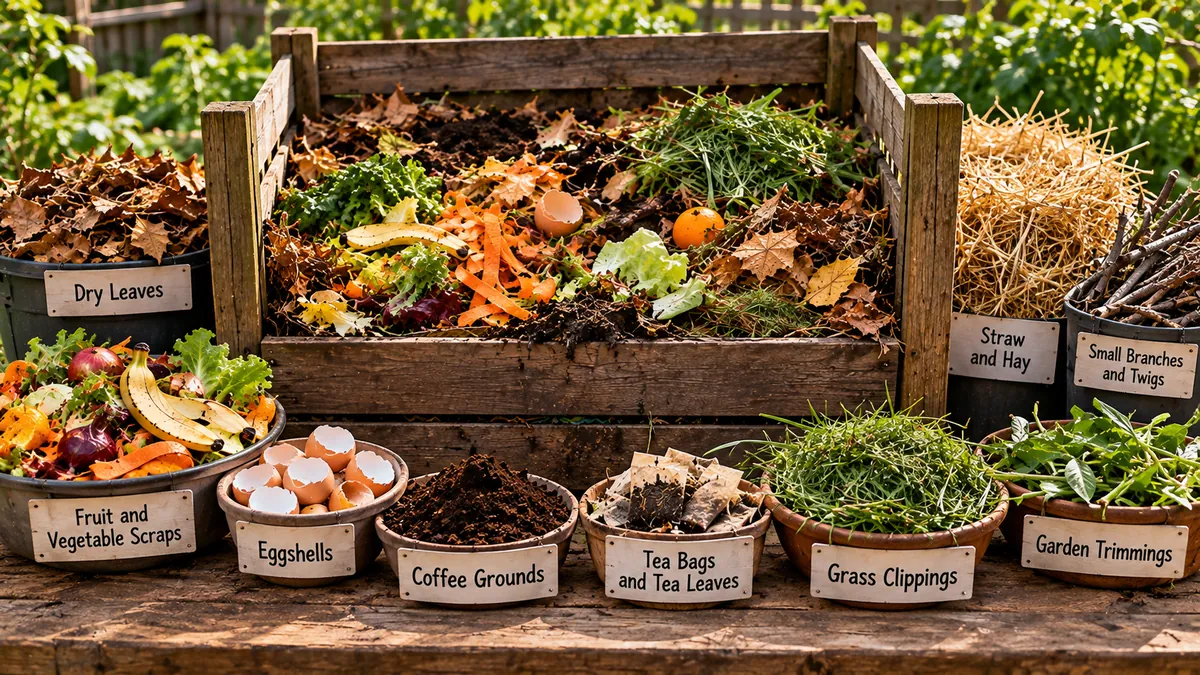
A backyard compost pile can process many everyday plant-based materials, including vegetable scraps, fallen leaves, grass clippings, and untreated paper products. The safest approach is to use ingredients that break down predictably and do not introduce pests, persistent chemicals, or contamination. A compost pile is not a universal disposal system, so choose materials with the intended use of the finished compost in mind.
Kitchen scraps
Fruit and vegetable peels, cores, ends, and trimmings are excellent common ingredients. Carrot tops, lettuce leaves, apple cores, melon rinds, and similar scraps add moisture and nitrogen-rich material. Chop bulky items into smaller pieces when practical. Smaller pieces expose more surface area to microorganisms and generally break down faster than whole rinds or large chunks. There is no need to turn every scrap into tiny pieces, but cutting very large items can reduce the time they remain recognizable.
Coffee grounds are suitable in moderation, and paper coffee filters can usually be added if they are uncoated and free of synthetic components. Tea leaves can also be composted. Tea bags need more care because some are made with plastic fibers, staples, strings, or other materials that may not break down in a home pile. Check the manufacturer's information; if uncertain, empty the leaves into the compost and put the bag in the appropriate waste stream.
Eggshells can be composted, but they break down slowly when left in large pieces. Rinse them if needed, crush them, and mix them through the pile. Do not rely on eggshells as an immediate calcium treatment for plants; their nutrients are not instantly available. Small amounts of plain, unseasoned plant-based leftovers may be suitable depending on the system, but oily, salty, or heavily sauced food can cause problems in a typical backyard pile.
Yard and garden waste
Dry leaves are one of the most valuable compost ingredients because they provide carbon and can be stored for use throughout the year. Shredded leaves mix more easily than whole leaves, which can mat together. Untreated grass clippings add nitrogen and moisture, but fresh clippings should be mixed with dry browns rather than piled in a thick, airless layer. Small plant trimmings and healthy, non-diseased plants can also be used. Chop or shred bulky stems and branches; large woody pieces may take much longer than the rest of the pile.
Weeds can be composted when they have not produced viable seeds and do not spread through persistent roots or rhizomes. Be cautious with invasive plants and weeds that are difficult to kill. A cool pile may not destroy seeds or roots, so those materials can reappear when finished compost is spread. If you cannot confidently manage them, dispose of them according to local guidance rather than risking their spread.
Other useful browns
Untreated cardboard, plain paper, straw, and small quantities of untreated wood material can provide carbon and help balance wet scraps. Tear or shred cardboard and paper, remove plastic tape and labels when practical, and avoid glossy, coated, or chemically treated products. Use these materials as part of a mix rather than filling the pile with one ingredient. Excessive paper can mat when wet, and thick woody pieces may persist long after softer material has decomposed.
Wood chips and sawdust require special care. Small amounts of clean, untreated material can be useful, but very fine sawdust can compact and may temporarily tie up available nitrogen as it decomposes. Large quantities of wood chips are often better used as surface mulch or managed separately, depending on their source and intended use. Never assume painted, pressure-treated, stained, or otherwise chemically treated wood is suitable for compost.
Prepare ingredients for faster breakdown
Composting does not require elaborate preparation, but particle size affects speed. Smaller pieces have more surface area for microbes and are easier to distribute evenly. Shred leaves, tear cardboard, chop thick stems, and break apart compacted grass clippings. Mix wet and dry ingredients throughout the pile so that one area does not become a soggy pocket while another stays dry. Avoid packing material tightly into the bin.
A simple routine is to add fresh scraps, cover them with dry leaves or shredded cardboard, and mix the material occasionally. This limits exposed food, helps control moisture, and supplies both greens and browns. If the pile becomes too wet, add more dry material. If it stays dry and inactive, water it as you mix. A compost thermometer can help with a managed hot pile, but everyday observation is enough for many small systems.
Why wet scraps need dry materials
Kitchen scraps and fresh grass often contain a great deal of water. In excess, they can collapse into a dense mass that blocks oxygen. Mixing them with dry, coarse browns absorbs some moisture and preserves air spaces. This is why a steady supply of leaves is so helpful. Store extra leaves in breathable bags or a covered area so that they remain available when the garden produces more greens than browns.
Choose ingredients based on the final use
If the compost will be used around edible crops, be particularly careful about contamination. Do not add plant material that may contain persistent herbicide residues, and follow local food-safety guidance. Avoid plastics and packaging that merely claim to be compostable unless the product is confirmed suitable for the system you use. Some packaging needs the higher temperatures and controlled processing of an industrial facility and may persist in a backyard pile.
The best ingredients are clean, appropriate organic materials that you can identify and manage. Start with fruit and vegetable scraps, leaves, untreated grass clippings, coffee grounds, and plain cardboard. As you gain experience, add other suitable plant materials in moderation. A reliable mix and consistent moisture are more important than collecting every possible ingredient.
Keep a simple ingredient routine
Many gardeners find it useful to keep two small collection areas: one for fresh kitchen scraps and another for dry browns. Add scraps in batches, then cover and mix them with leaves or cardboard. This routine reduces the chance of forgetting to cover food and helps keep the compost mixture consistent. If a material's origin is unclear—especially straw, grass clippings, or plant waste from another property—ask how it was treated before adding it. The quality of the finished compost depends as much on what is excluded as on what is included.
Next Article: What Should You Avoid Composting?
