
Benefits of Composting
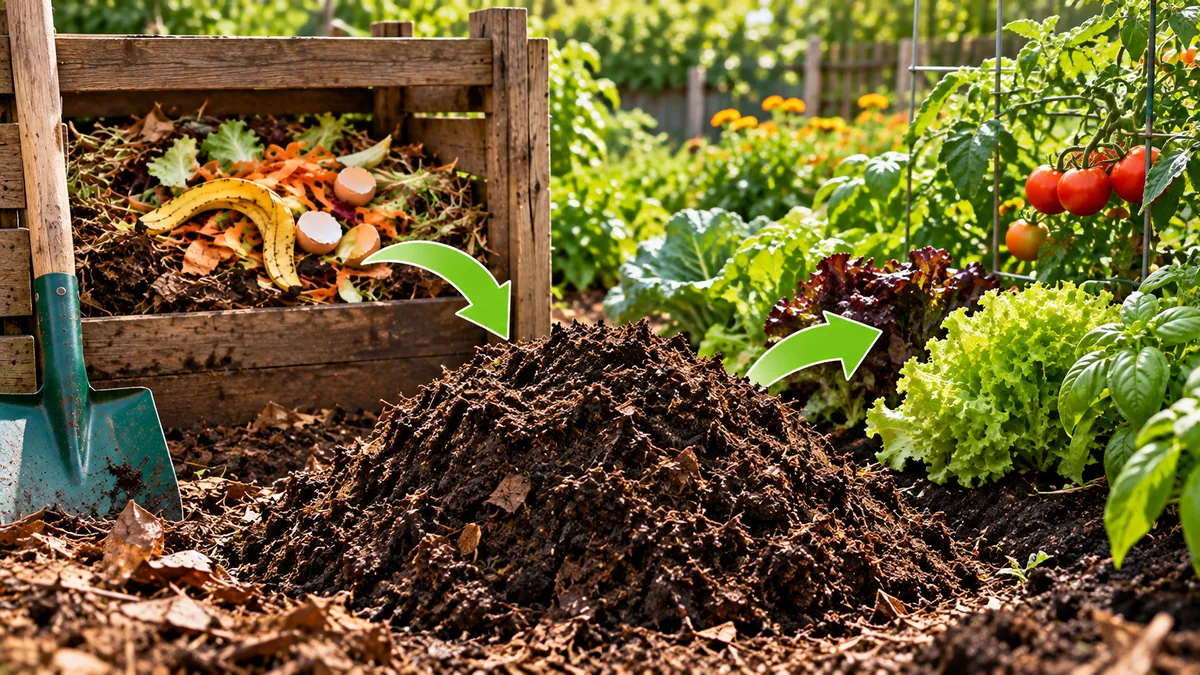
Composting offers practical benefits both before and after the material reaches the garden. It reduces the amount of suitable kitchen and yard waste sent to disposal, and it creates an amendment that can improve soil structure, support biological activity, and recycle nutrients. The benefits are gradual rather than magical: compost works best as one part of a broader soil-care plan that includes appropriate watering, plant selection, mulching, and nutrient management.
Less household and garden waste
Fruit and vegetable scraps, coffee grounds, leaves, and many untreated paper products are organic resources. When they are collected for composting, they can be used rather than discarded. Yard waste is often bulky, and autumn leaves in particular can represent a large seasonal supply of useful material. Shredding leaves makes them easier to mix and store, while a reserve of dry leaves can be used throughout the year to balance wet kitchen scraps and fresh grass clippings.
Composting does not mean every organic item should go into a backyard pile. Meat, dairy, grease, pet feces, chemically treated materials, and contaminated plants may be unsuitable for ordinary home systems. Following a clear list of acceptable ingredients helps avoid odor, pests, and potential contamination. Even with those limits, many households can divert a meaningful amount of plant-based waste from the trash.
Better soil structure
Soil structure describes how mineral particles and organic matter are arranged into aggregates, with pores between them. Good structure gives roots access to air and water and allows excess water to drain. Compost contributes organic matter that can help stabilize aggregates and improve the way soil responds to wetting and drying. The effect depends on the starting soil, compost quality, amount applied, and continued management.
In sandy soil, water may drain quickly and nutrients may be easily leached. Adding compost can increase water retention and provide surfaces that hold some nutrients. In many clay soils, organic matter can help create a more crumbly structure and improve infiltration, although a small amount will not instantly eliminate compaction or poor drainage. Avoid working wet clay aggressively, since that can damage structure. Compost is most effective when combined with practices that protect soil, such as avoiding unnecessary compaction and keeping the surface covered.
Water management and root conditions
Compost can help soil hold moisture between waterings, which is especially useful in light soils and during dry periods. Better structure may also help water enter and move through some dense soils rather than running off the surface. These benefits are not identical in every soil, and compost cannot solve all drainage problems. A site with a high water table, a compacted subsoil, or a poorly designed raised bed may need a different correction.
The goal is a soil environment in which roots can find both water and oxygen. Soil that stays saturated for too long can deprive roots of oxygen even if it contains plenty of organic matter. Similarly, container mixes need enough coarse, stable structure to drain and aerate; using pure compost in a pot can make the mix too dense or water-retentive.
Organic matter and gradual nutrient release
Compost adds organic matter and contains nutrients left over from the materials used to make it. As organisms continue decomposing that material, some nutrients become available to plants. The release is generally more gradual and less predictable than applying a measured soluble fertilizer. Compost nutrient content varies widely, so it should not be treated as a precisely formulated fertilizer unless it has been tested and characterized.
This gradual contribution can support long-term soil fertility, but gardeners should avoid assuming that more compost is always better. Excessive applications can create nutrient imbalances, add too much phosphorus or soluble salts, or make the root zone overly rich in organic matter. A soil test can help determine whether additional nutrients are needed and whether repeated compost applications have built up particular elements.
Supporting soil organisms
Soil is a living environment. Bacteria, fungi, earthworms, and many other organisms help decompose residues, cycle nutrients, and build soil structure. Compost provides organic matter and can support this biological activity. The precise response depends on soil conditions and the compost itself, but adding mature, clean compost is one way to feed the soil ecosystem rather than focusing only on immediate plant growth.
Biological activity is not a substitute for sound horticultural practices. Soil organisms need suitable moisture, oxygen, and habitat. Frequent disturbance, compaction, prolonged saturation, or inappropriate chemical use can still limit their activity. Compost is most useful when incorporated into a larger plan to maintain healthy soil conditions.
Potential savings and nutrient recycling
Making compost at home may reduce the need to buy some soil amendments and can make use of materials already available on the property. It does not always eliminate the need for purchased inputs: some gardens lack enough suitable ingredients, and certain crops require nutrients that the compost does not supply in sufficient quantities. The greatest savings often come from treating compost as a steady, reusable resource rather than expecting it to replace every product.
Composting also closes part of the nutrient loop. Nutrients absorbed by plants can return to the garden through suitable plant residues and kitchen scraps. Instead of exporting all that material as waste and buying new organic matter later, gardeners can recycle some of it. Avoid composting diseased plants or materials contaminated with persistent herbicides simply to keep nutrients on site; safety and quality take priority over recycling every possible item.
Compost complements fertilizer
Fertilizer and compost have overlapping but different roles. Fertilizer is generally used to supply specific nutrients in known or labeled amounts. Compost is primarily a soil amendment that adds organic matter and provides a variable, gradual nutrient contribution. Some gardens need both. A soil test, crop needs, and observed plant performance can guide decisions more reliably than applying either product automatically.
Used thoughtfully, compost helps build the foundation on which a garden grows. It improves the physical environment around roots, contributes organic matter, supports soil life, and turns suitable waste into a useful resource. Its value comes from consistent, appropriate use—not from applying unlimited quantities or expecting instant results.
Next Article: Choosing the Right Composting Method
