
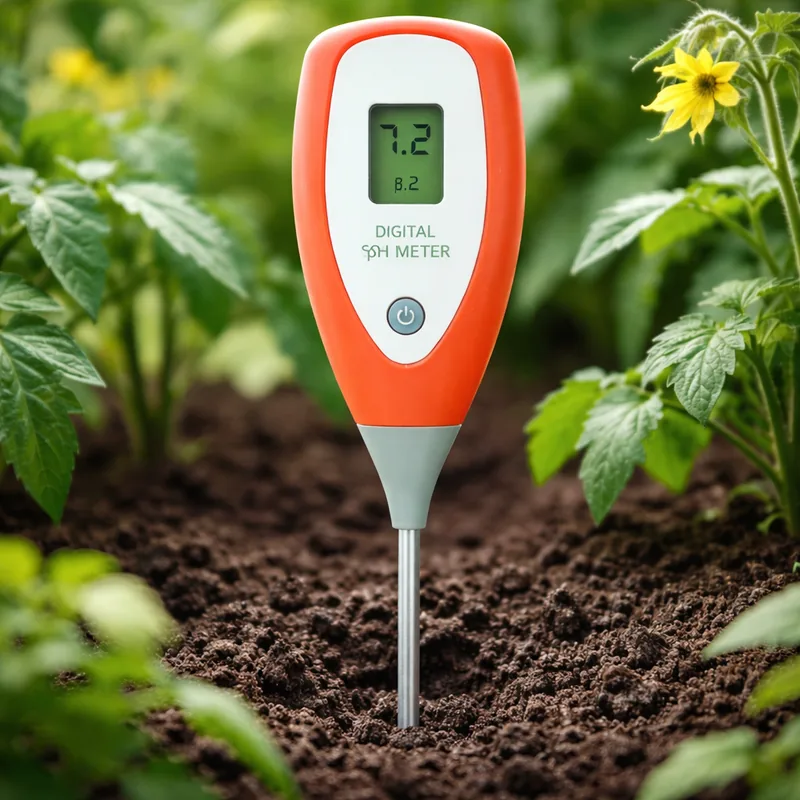
Soil pH meter: A Beginner's Guide
Small soil and propagation tools reward accuracy. Use the correct depth, spacing or measurement for the crop rather than assuming one setting works for everything. The primary job of a soil pH meter is estimating soil acidity or alkalinity with a probe or electronic instrument.
What Does a Soil pH meter Do?
The primary job of a soil pH meter is estimating soil acidity or alkalinity with a probe or electronic instrument.
This tool is particularly useful for:
- Screening garden soil
- Checking unusual plant performance
- Monitoring ph after amendments
How to Use a Soil pH meter
Prepare the soil and probe exactly as the manufacturer specifies, take readings from representative locations, and compare suspicious results with a proper soil test.
A Practical Working Sequence
- Prepare the seed, bulb, container or soil before using the tool.
- Use the intended depth or measurement rather than forcing the tool.
- Check spacing, depth or readings as you work.
- Clean tools and containers when contamination could affect new plants.
Choosing the Right Soil pH meter
Look for a meter with documented calibration procedures, a durable probe, and clear instructions rather than choosing solely by the number of features.
| Feature | What to look for |
|---|---|
| Size | Match the tool to the seed, bulb, container or soil task. |
| Depth/volume | Markings help when repeatability matters. |
| Control | Choose a design that minimizes spills and root damage. |
| Cleaning | Easy-to-clean surfaces are useful between crops. |
Common Beginner Mistakes
Do not use a single inexpensive meter to decide how much lime or sulfur to add. Soil texture, buffering, and sampling technique affect pH management.
If the tool starts to require excessive force, stop and reassess the job. A different size or type of tool is usually a better answer than overpowering the equipment.
Care and Maintenance
Keep the probe clean, store it according to the manufacturer's instructions, and calibrate when required.
Clean tools and containers between crops when contamination could affect new plants and store them dry.
When Another Tool Is Better
A laboratory soil test is the better choice when you need dependable pH and nutrient recommendations.
The best tool can change as the job changes. Reassess the tool when the material becomes larger, the required reach changes, or the work calls for more precision.
Safety Tips for Beginners
- Keep sharp tools controlled and clean.
- Use clean containers when starting seedlings.
- Follow crop-specific depth and planting instructions.
Final Advice
Soil pH meter is most useful when it is matched to the job it was designed to do. Choose a size and design you can control, learn the correct technique, and keep the tool maintained. Good gardening is not about owning the most tools; it is about having the right tool for the work in front of you.
Frequently Asked Questions
What does a soil pH meter measure?
It is intended to estimate soil acidity or alkalinity, which affects nutrient availability and the suitability of soil for different plants.
Are inexpensive soil pH meters accurate enough for major amendments?
Treat them as estimates. For important lime or sulfur decisions, a laboratory soil test is a better basis for amendment recommendations.
How should I use a soil pH meter?
Follow the manufacturer’s instructions, prepare a representative soil sample, and take readings consistently rather than relying on a single spot.
What soil pH do vegetables prefer?
Many vegetables grow well around pH 6.0–7.0, although individual crops can have different preferences.
