
Garden Spade: A Beginner's Guide
A garden spade is a sturdy digging and planting tool with a relatively straight blade, a strong shaft, and a handle designed to give you leverage when working in soil. It is one of the most useful tools for preparing planting beds, turning and moving soil, edging beds, dividing perennials, and digging planting holes.
Unlike a garden shovel, which usually has a broader, more curved blade designed for scooping and moving loose material, a spade is generally better suited to cutting into soil and making controlled, straight-sided cuts.
What Is a Garden Spade?
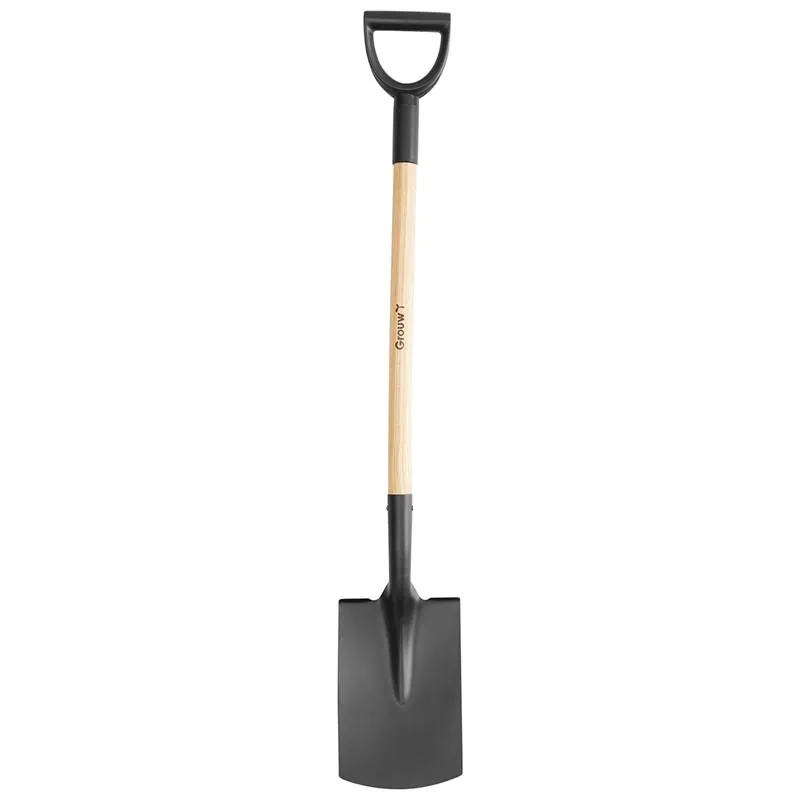
A garden spade consists of a metal blade attached to a shaft and handle. The blade is typically flat or only slightly curved, with a relatively straight cutting edge. This shape makes the tool useful when you need to cut through soil rather than simply scoop it.
Garden spades come in several sizes and shapes. Some have narrow blades for working in tight spaces, while others have wider blades for general bed preparation. The shaft may be wood, fiberglass, or another durable material, and the handle may be a D-shaped grip or a straight handle.
What Is a Garden Spade Used For?
A garden spade is especially useful for jobs that require cutting, digging, lifting, or dividing soil.
Common uses include:
- Digging planting holes for trees, shrubs, and perennials
- Cutting into compacted or established soil
- Preparing garden beds
- Edging lawns and planting beds
- Dividing established perennials
- Cutting through roots when appropriate
- Removing sections of turf
- Trenching for small garden projects
- Lifting and moving manageable amounts of soil
- Mixing amendments into a planting area
- Creating straight-sided planting trenches
Its relatively straight blade gives you more control than a broad, rounded shovel when making precise cuts.
Garden Spade vs. Garden Shovel
The terms spade and shovel are sometimes used interchangeably, but they describe tools with different designs.
| Feature | Garden Spade | Garden Shovel |
|---|---|---|
| Blade shape | Usually flat or relatively straight | Usually curved or rounded |
| Main purpose | Cutting and digging soil | Scooping and moving material |
| Edge | Often straight | Often curved |
| Best for | Beds, edging, planting, dividing | Soil, compost, mulch and loose material |
| Precision | Good for controlled cuts | Better for scooping |
For many gardeners, having both tools is useful. A spade handles digging and cutting tasks, while a shovel is often more convenient when material needs to be lifted and moved.
How to Use a Garden Spade
Good technique makes digging easier and reduces unnecessary strain.
1. Position the blade
Place the cutting edge where you want to make the cut. Keep the blade aligned with the direction of the hole, trench, or bed edge you are creating.
2. Push the blade into the soil
Use your foot to apply controlled pressure to the top of the blade when the soil and the spade design allow it. Keep your working position stable and avoid forcing the tool if the ground is extremely hard or full of large roots or rocks.
3. Lift manageable amounts
Once the blade is in the soil, use the shaft and your body position to loosen the soil. Avoid trying to lift excessively large or heavy loads with the spade.
4. Repeat as necessary
For a larger hole or bed, work progressively rather than attempting to remove a large amount of soil in one motion.
5. Keep your back in a comfortable position
Bend from your hips and knees rather than repeatedly rounding your back. Let your legs and the tool's leverage do as much of the work as possible.
Using a Garden Spade for Edging
One of the most useful features of a garden spade is its ability to create a relatively clean, straight edge.
To edge a garden bed, position the blade along the desired boundary and push it vertically into the soil. Continue along the line, overlapping each cut slightly. This creates a defined separation between the lawn and planting bed.
For a long, consistently straight edge, a string line or other guide can help.
Using a Garden Spade for Planting
A spade can be used to prepare planting holes for many trees, shrubs, perennials, and larger plants.
When digging a planting hole:
- Remove the soil in manageable amounts.
- Keep the hole wide enough for the plant's root system.
- Avoid unnecessarily compacting the soil around the hole.
- Place removed soil where it will not damage nearby plants.
- Backfill according to the planting requirements of the particular plant.
For small seedlings and delicate transplants, a transplanting trowel may provide better control.
Using a Garden Spade to Divide Perennials
A sharp spade can be useful when dividing established plants that have become crowded. Depending on the plant, the root mass can sometimes be separated by making controlled cuts through the crown or root system.
Not every perennial should be divided in the same way. Check the requirements of the individual plant before cutting into an established clump.
Choosing a Garden Spade
When selecting a garden spade, consider the type of work you do most often.
Blade size
A wider blade can move more soil per stroke, while a narrower blade can be easier to control in crowded beds.
Blade material
Look for a durable blade that is securely attached to the shaft. Stainless steel is resistant to rust and is easy to clean, while other types of steel may provide excellent strength and durability.
Shaft length
Choose a shaft length that allows you to work without excessive bending. Your height and preferred working position should influence the choice.
Handle design
D-shaped handles can provide a secure grip and make pushing the blade into soil easier. Straight handles can offer a different grip and may suit gardeners who prefer more flexibility in hand position.
Weight
A heavier spade may feel substantial and durable, but a lighter tool can be easier to use for extended periods. Consider how long you typically work and how much force you need.
Foot tread
Some spades have a rolled or reinforced area along the top edge of the blade where your boot can safely apply pressure. This can be particularly useful when digging firm soil.
Garden Spade Maintenance
A small amount of maintenance can significantly extend the useful life of a spade.
- Brush soil from the blade after use.
- Rinse the blade when necessary and allow it to dry.
- Remove persistent dirt before storing the tool.
- Inspect the shaft and handle for cracks or looseness.
- Check that the blade is securely attached.
- Keep the cutting edge in good condition.
- Store the spade somewhere dry when possible.
- Follow the manufacturer's recommendations for sharpening and care.
Do not leave a steel blade sitting in wet soil for long periods. Keeping it clean and dry helps reduce corrosion.
Sharpening a Garden Spade
A spade does not need to be razor sharp, but a properly maintained edge can make cutting into soil easier.
Use a suitable file or sharpening tool and maintain the existing bevel rather than aggressively changing the shape of the blade. Wear appropriate eye protection when sharpening and secure the tool so it cannot move unexpectedly.
If the blade is damaged, badly bent, or cracked, replacement may be safer than attempting to restore it.
Garden Spade Safety
Use a spade with controlled movements and appropriate footwear, particularly when applying pressure to the blade.
Keep other people away from the immediate working area, especially when swinging or levering the tool. Avoid using excessive force against buried rocks, large roots, or other obstructions that could cause the blade or shaft to move unexpectedly.
Inspect the tool before use. A cracked handle, loose connection, or damaged blade can make digging more difficult and less safe.
Garden Spade Tips for Beginners
If you are new to gardening, a good general-purpose spade can become one of the most frequently used tools in your shed.
A few habits will make it more useful:
- Use the spade for cutting and digging rather than trying to make it perform every scooping task.
- Keep the blade clean after working in wet or clay-heavy soil.
- Avoid lifting more soil than you can comfortably handle.
- Use a shovel when you need to move large quantities of loose material.
- Use a trowel for small planting jobs.
- Keep the blade edge maintained.
- Choose a shaft and handle that fit your height and working style.
- Stop and reposition yourself if a digging motion begins to strain your back or shoulders.
Frequently Asked Questions
What is a garden spade used for?
A garden spade is primarily used for digging, cutting into soil, edging beds, preparing planting holes, dividing some perennials, and removing sections of turf. Its relatively straight blade makes it particularly useful when a controlled cut is needed.
What is the difference between a garden spade and a shovel?
A garden spade generally has a flatter, straighter blade designed for cutting and digging soil. A garden shovel usually has a more curved blade that is better suited to scooping and moving loose material such as soil, compost, or mulch.
Should a garden spade be sharp?
A garden spade does not need to be razor sharp, but a maintained cutting edge can make it easier to penetrate soil and cut roots or turf. Keep the edge in good condition without creating an unnecessarily sharp or fragile edge.
How do I clean a garden spade?
Remove soil after use with a brush or by rinsing the blade. Dry the blade before storage, inspect the shaft and blade connection, and address rust or damage before it becomes more serious.
